artisticsandip.com

My Blog

Indian Art & Culture

My dear readers, today we are here for a discussion on Indian Art and Culture and I am happy enough to share a brief story on this topic with you.

Exploring Depth and Diversity of Indian Art :

Indian art is not only a form of aesthetic expression – it is living and breathing history of one of the world’s oldest civilization, started in centuries back yet constantly evolving. Indian art reflects country’s cultural diversity, social transformation and spiritual philosophies. From ancient cave paintings to contemporary installation, the journey of Indian Art and Culture was as vast as the nation itself.

Ancient Art : Life and Ritual :

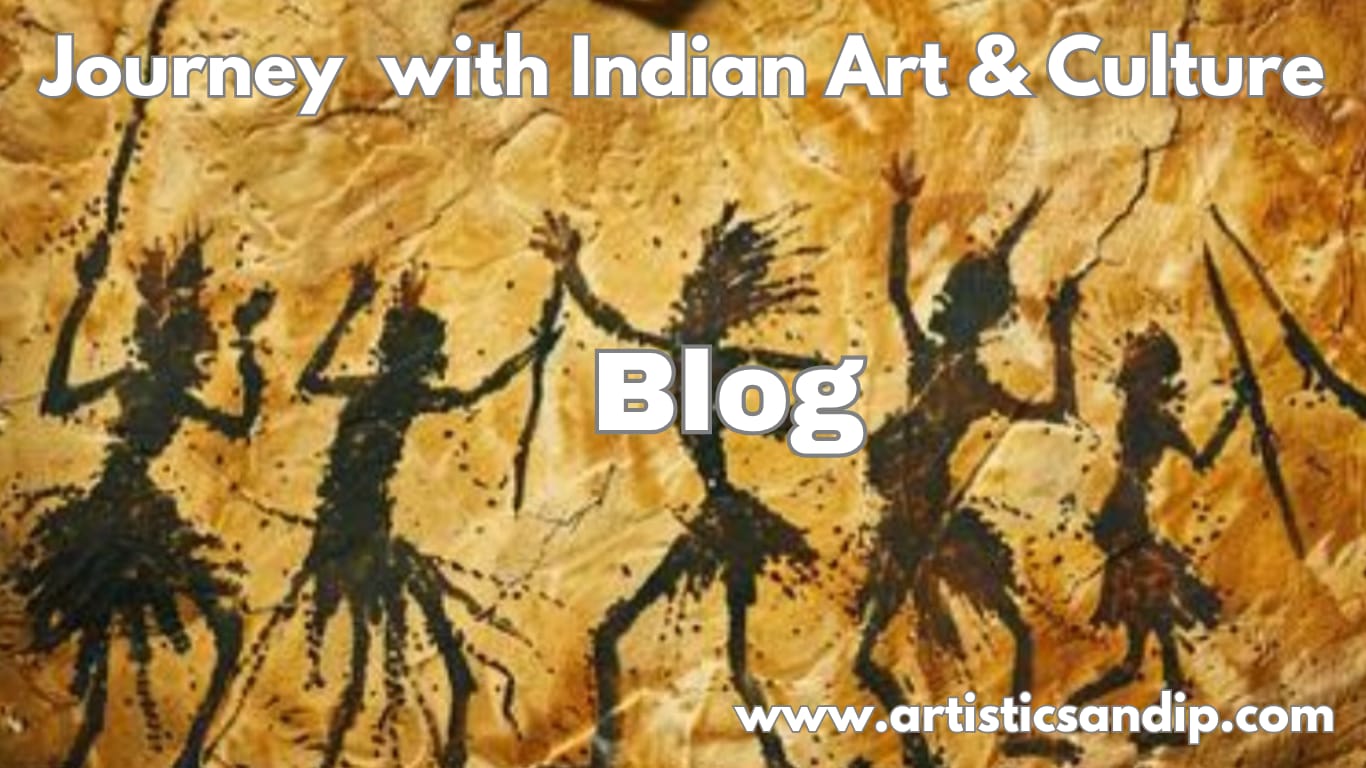
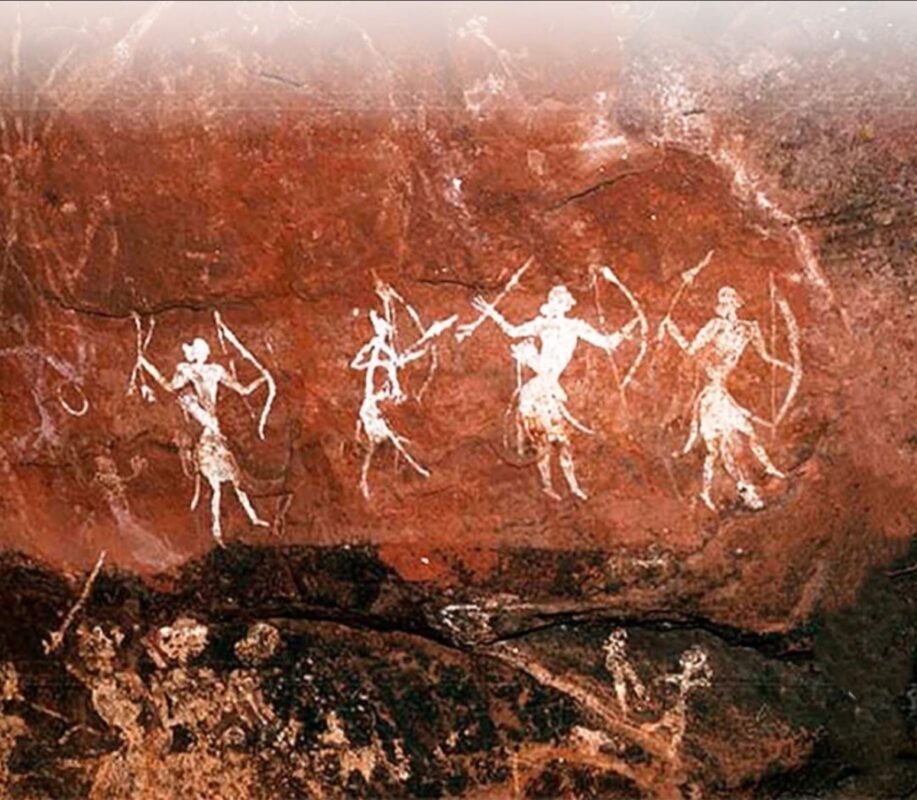
The earliest traces of Indian arts were found in the prehistoric cave paintings in Bhimbetka (in the Raisen district of Madhya Pradesh, India) where early humans illustrated scenes of hunting, dancing, and various activity of daily life. These artworks were not created for decoration, these were for matched to ritual, communication and survival. It was for story telling cultural preservation.

The fearful Influence : Religion and Spirituality :

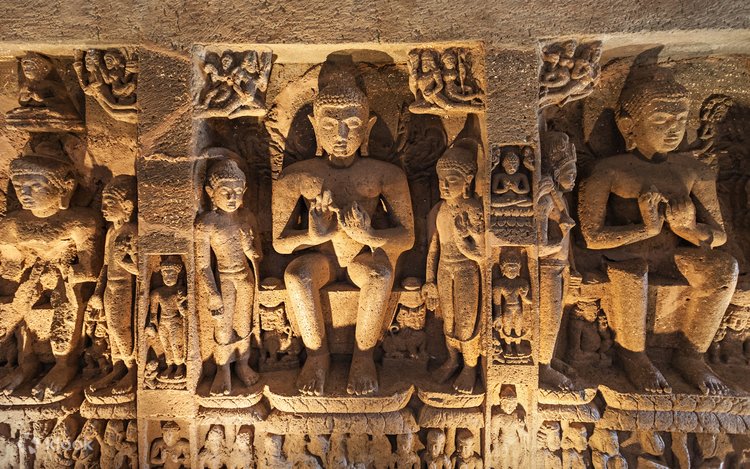
Religion formed Indian Art as most powerful forces. All religions like Hinduism, Buddhism, Jainism contributed to the creative landscape. Temples, Monasteries, Stupas became the examples of artistic excellence, where sculpture, painting and architecture merged into combined expressions of commitment.

Ajanta murals are the examples of this combination. Paintings between the 2nd century BCE and 6thcentury  CE illustrated the scenes from the life of Buddha were highly remarkable with emotional depth and technically sophisticated. In the same way the rock-cut temples of Ellora shows an extraordinary level of craftsmanship which describes the mythological stories on spiritual ideology.

In Hindu temple art, direction of each and every sculptures and the proportion of figures and the various dancing poses represent the symbolic forms and philosophical story. It not only representational but also serve the visual story of cosmic energy. These deep connection between art and spirituality makes the Indian art unique than many other traditions.
Regional Diversity : Style of Melange :

Regional diversity is one of the most noticeable aspect of Indian Art. Each part of the country has developed their own unique style, techniques and themes influenced by local culture, climate and materials.

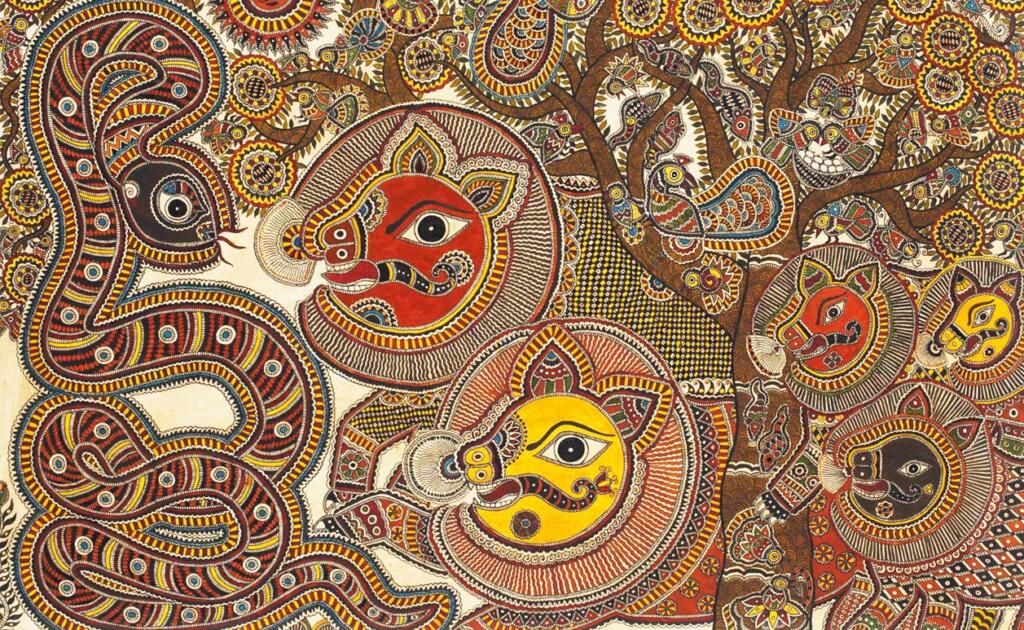
In eastern India Madhubani painting from Bihar is famous for its bold colour, sophisticated patterns and themes drawn from mythology. Traditionally it was illustrated by the local women on floor and wall. Now it got the international recognition on canvas.

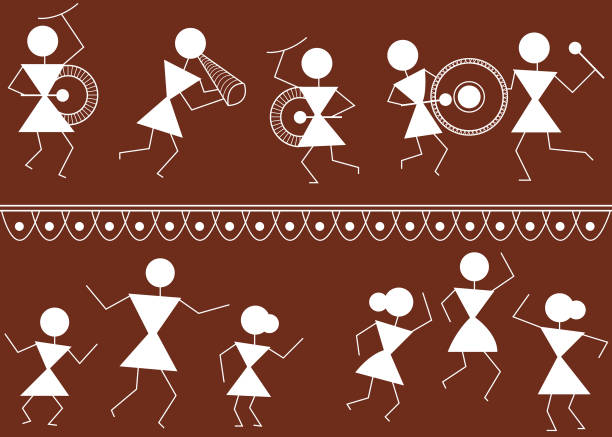
In western India, Warli art from Maharashtra is famous for its representation of scenes with use of simple geometric shapes like circles, triangles and lines. Warli artists represents the meaning, cultural significance of village life and rituals.

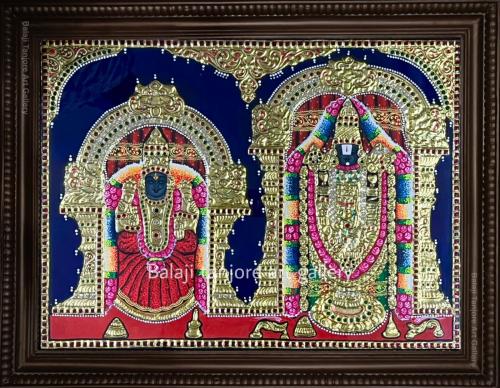
Southern part of India is known for Tanjore paintings which are characterized by rich colour and religious themes. These paintings portray Hindu god and goddesses in a very decorative manner.

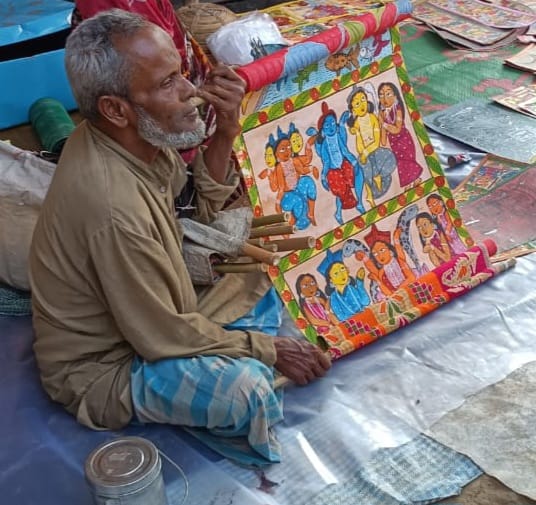
In Odisha and West Bengal, Patachitra art continues the story telling tradition. This arts are created with natural colours with fine detailing of mythological tales accompanied by songs during the presentation.

Mughal and Colonial Influence :

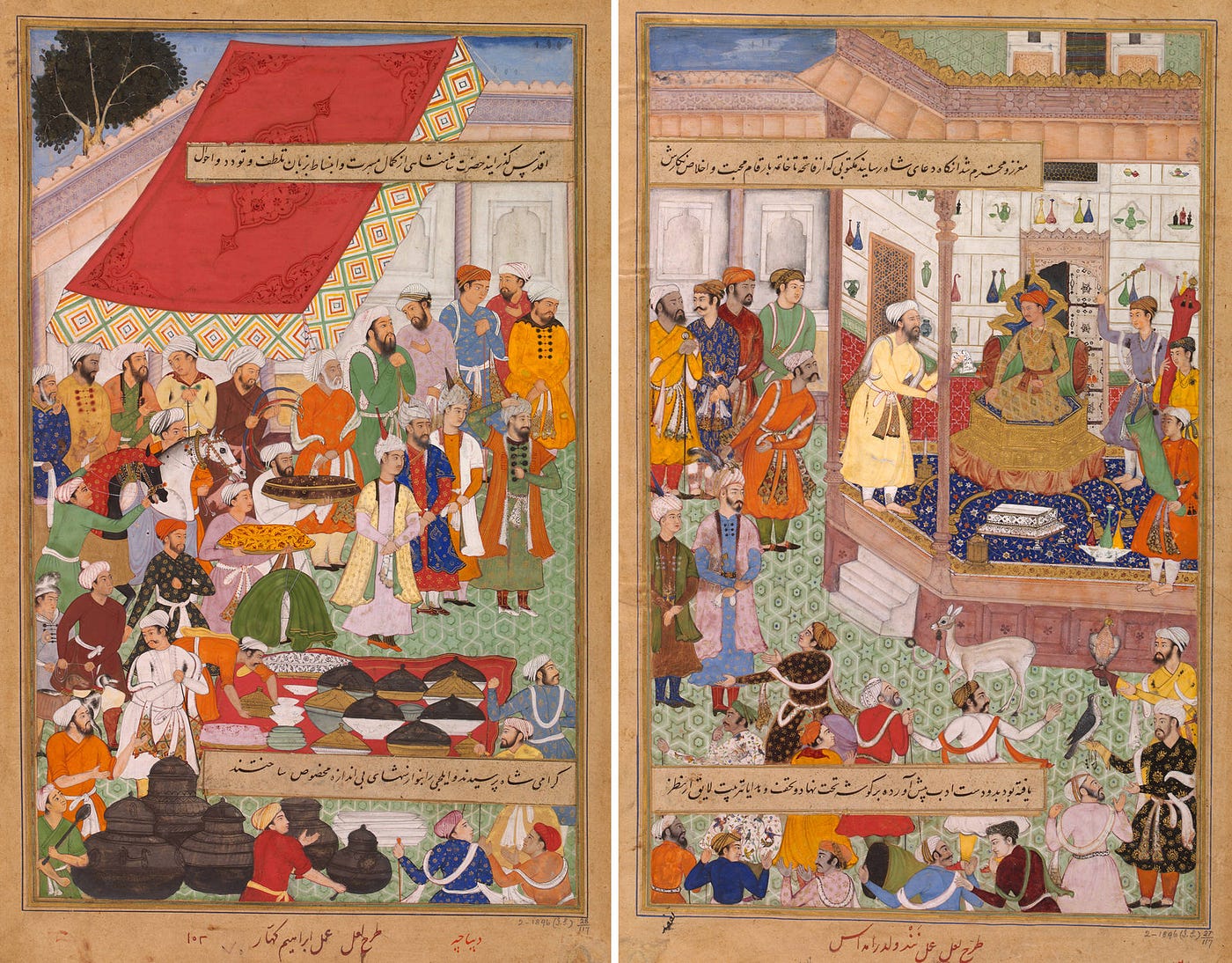
A new artistic perspective was shown in 16th Century at the time of Mughal period. Mughal miniatures combined Persian techniques with Indian themes. It was a highly detailed work which describes court life, historical events and nature. The use of perspective, shading and excellent brushwork made the artwork came out from earlier style.

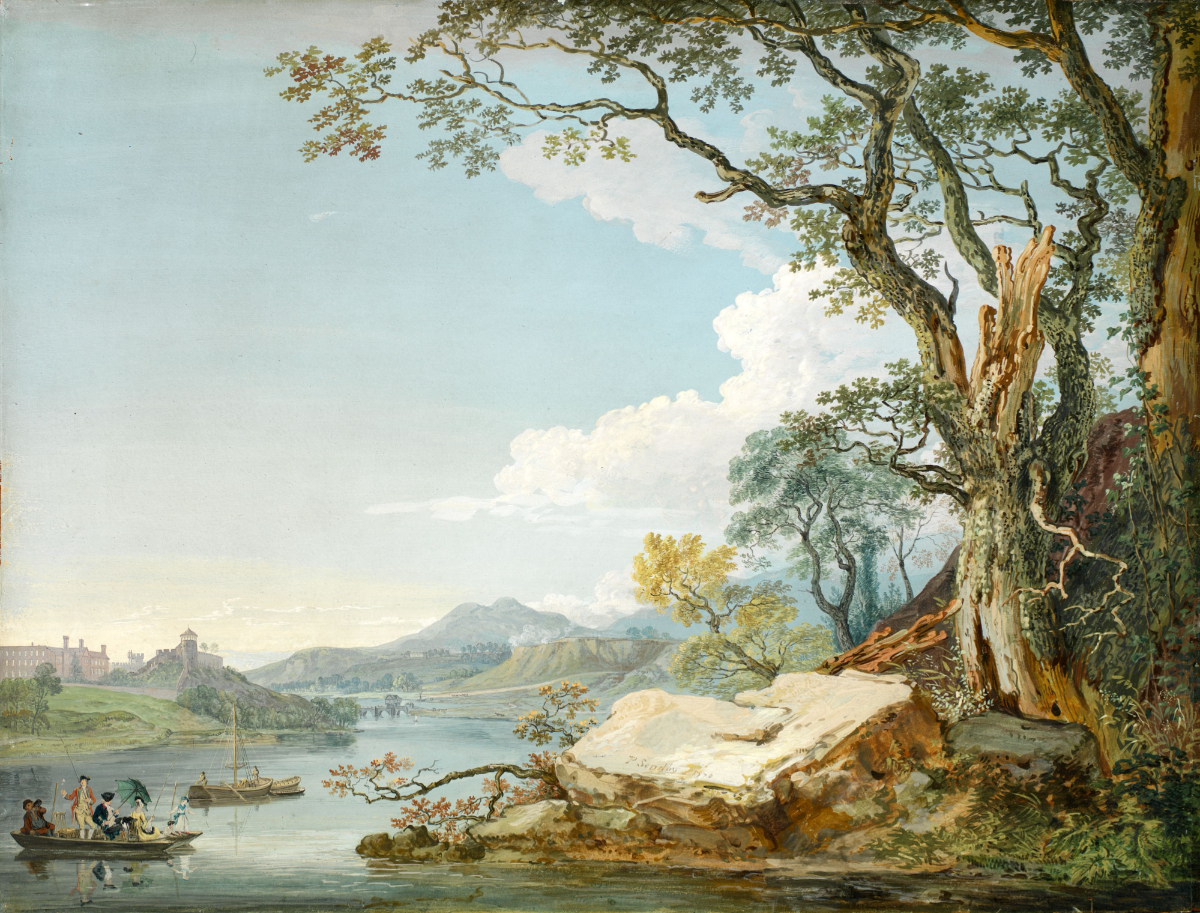
In the time of British colonial rule Indian art attached with western tradition. Oil painting and realism made the artworks different from the old style.

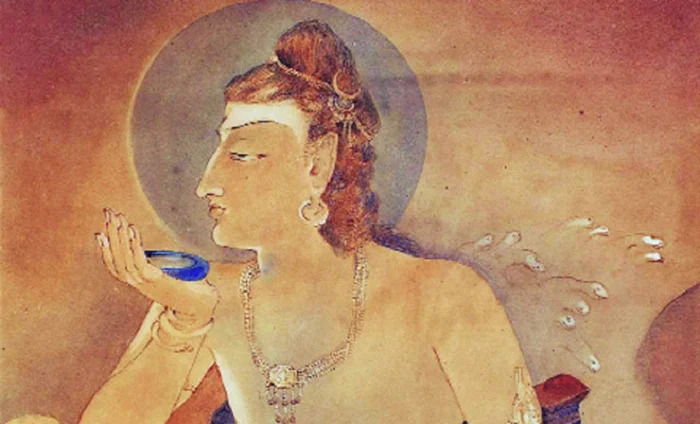
In early 20th Century some artists like Abanindranath Tagore, Nandalal Bose, Asit Kumar Haldar moved away from western art to traditional Indian aesthetics art which was followed by spirituality, simplicity and symbolic style of art. It was the foundation of modern Indian Art.

Modern and Contemporary Art :

The 20th and 21st Centuries have witnessed a huge change of creativity in Indian art. Artists started exploring  new themes, mediums and global connection to their roots. The famous artist Raja Ravi Varma made a bridge between traditional and modern styles using Europian techniques to describe Indian subjects.

After independence some Indian artist like M.F. Husain, S.H. Raja, Tayeb Mehta achieved the international appreciation for their innovation. Their works often addressed themes of social changes, identity politics reflecting the complexity of newly independent nation.

Contemporary Indian Art evolve adopting digital media, installations and conceptual art. Today’s artists tackle issues like globalization, urbanization, environmental concerns etc. Galleries and online platforms have expanded the reach of Indian art to make it accessible to global audience.

Art acts as a Cultural Bridge :

Indian Art serves as a bridge between past and present, local and global. It encourages to innovate allowing each generation to interpret the cultural heritage. From centuries old temple sculpture to modern digital artwork says an ongoing dialogue about identity and creativity.

Indian art acts an important role of economic survival of many rural communities. They economically depend on weaving, pottery and painting. Supporting these tradition we not only preserve culture but also empower a huge number of people to maintain continuity.

Why Indian Art matters :

In a fast growing digital world, the Indian art offers a sense of grounding and continuity. It says us the importance of storytelling, symbolism and engage with deeper meaning beyond the canvas or surface.

To the global audience, Indian Art provides the multiphase and complex culture which serves the source of pride, identity and the inspiration of artists.

Conclusion :

Indian art is a witness of creativity and the spiritual depth of its people. The journey from prehistoric caves to contemporary galleries, there is a story of tradition and constant evolution. Indian Art offers a time less reflection of human experience.

It’s a journey into the heart of civilization where every line ,colour and form tell us a story of transformed culture.

Thank you to all of my readers. We will be back very soon with an another topic on Art. Please keep in touch.

Scroll to Top